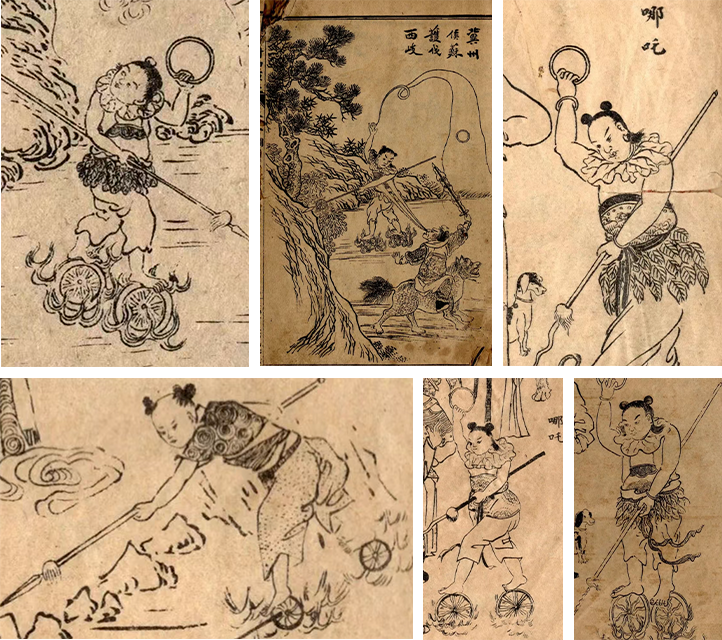

About Nezha
Nezha first appeared in the Buddhist text *Buddha's Deeds*, translated into Chinese during the Northern Liang dynasty of the Sixteen Kingdoms period: "All were greatly delighted." Nezha was the prince of Vaishravana, responsible for protecting the king, officials, and believers.
“"Vaisravana, the king of gods, begat Narakuva, and all the gods."
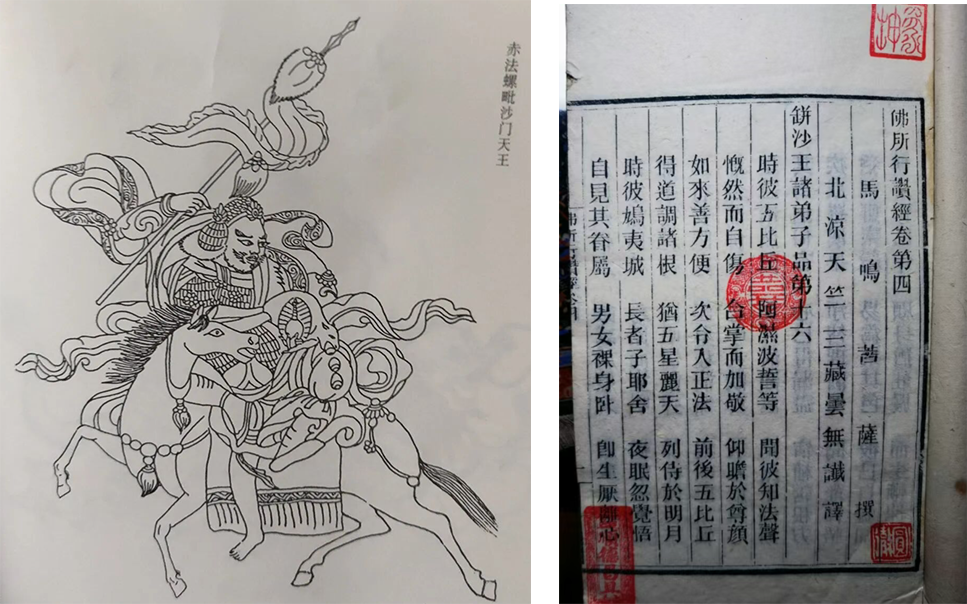
Qing Dynasty woodblock print of "Praise of the Buddha's Deeds"
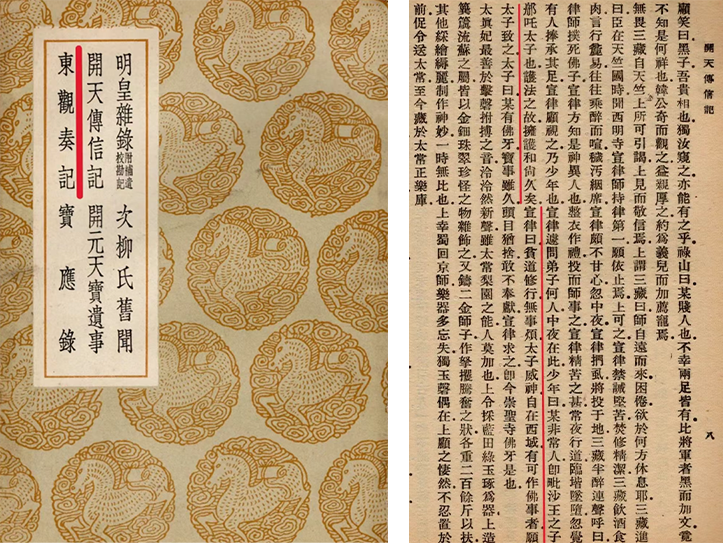
The earliest known record of Nezha in China is found in *Kaitian Chuanxin Ji*, written by Zheng Qi (pronounced Qing) during the Tang Dynasty. The story revolves around Nezha, the son of Vaishravana, the Heavenly King, who rescues the eminent monk Xuanlu. Xuanlu asks, "Who are you, disciple, who are you here in the middle of the night?" Nezha replies, "I am no ordinary person; I am Vaishravana, son of Nezha, the Heavenly King. I have been protecting you secretly for a long time as a protector of the Dharma." Nezha's meaning is: I am not an ordinary person, but Nezha, son of Vaishravana, the Heavenly King, responsible for protecting the Dharma, and I have been secretly protecting you for a long time.
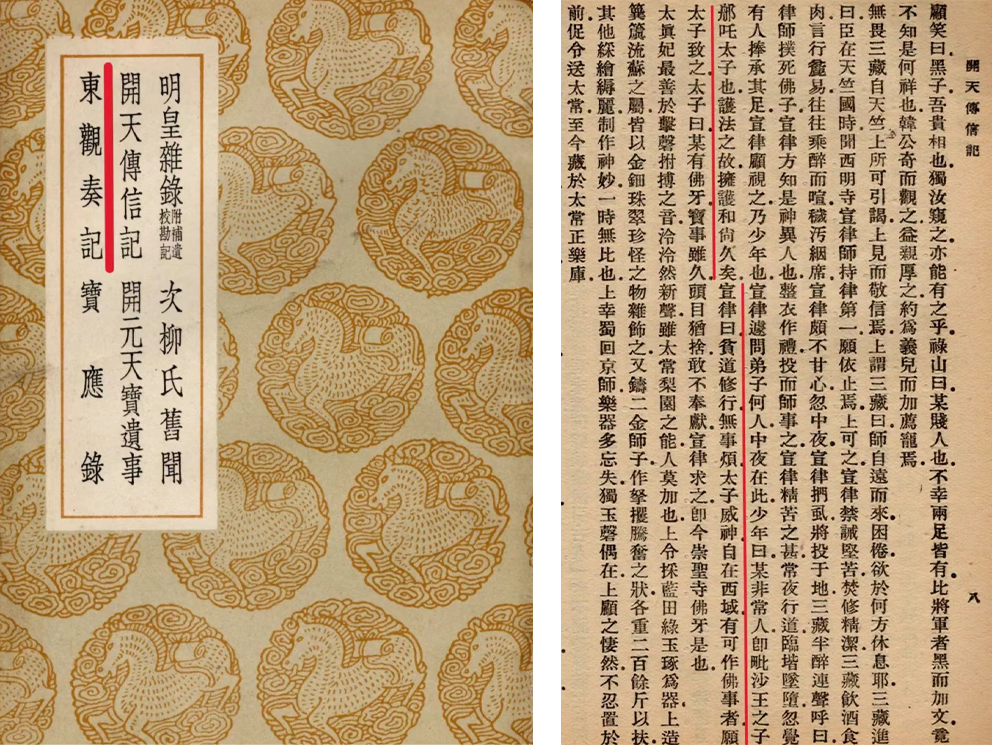
Jian's edition of "The Creation of Heaven and Earth"
The Song Dynasty Buddhist Chan (Zen) historical record, *Wudeng Huiyuan*, contains the detail of "Prince Nezha returning his flesh to his mother and his bones to his father," which is roughly the same as...
The origin of "Nezha manifesting as a lotus incarnation".
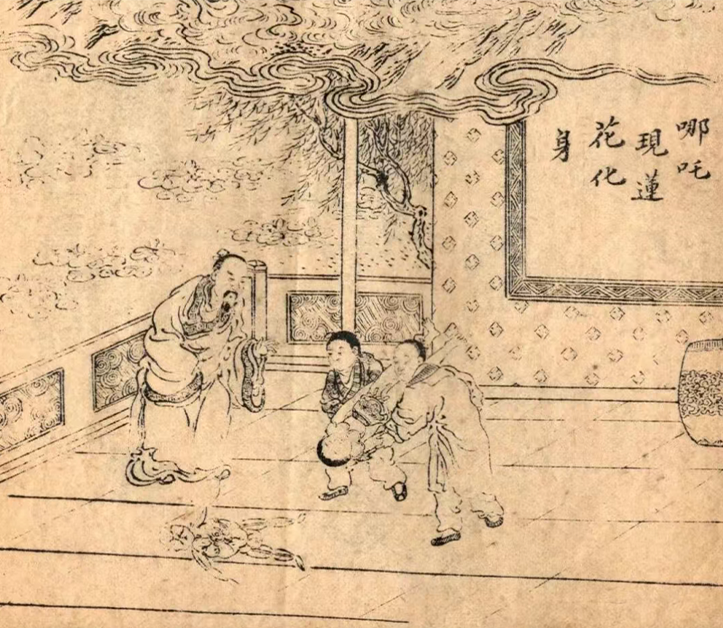
Northern Song Dynasty: Jingde Record of the Transmission of the Lamp: Written by Song Daoyuan, Volume 15 contains the story of Nezha "returning his bones to his father and his flesh to his mother".
Southern Song Dynasty: *Yijian Zhi*: Written by Hong Mai of the Southern Song Dynasty, it records the story of Master Cheng "holding the Nezha fireball spell" and the stone spirit's magic tricks.
The story of Nezha's battle against Lady Shiji in the novel "Investiture of the Gods" is based on this.
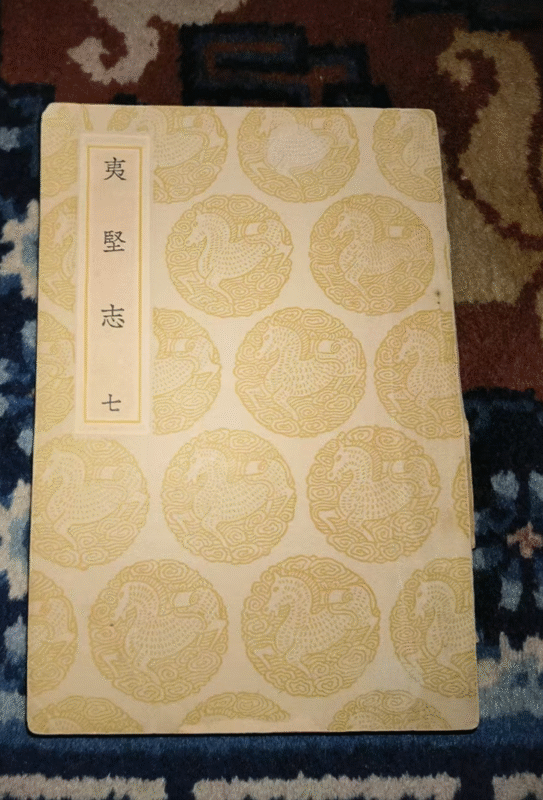
Early Yuan Dynasty: The image of Nezha was brought to the stage of zaju (a type of Chinese opera). In the Yuan zaju play "Erlang Shen Drunkenly Shoots the Demon-Locking Mirror," Nezha already had the appearance of having three heads and six arms.
Elements such as the Dragon King of the Sea, Lady Shiji, and the lotus incarnation have appeared, showing a trend of fusion between Buddhism and Taoism, and the prototype of Nezha's character design has been formed.
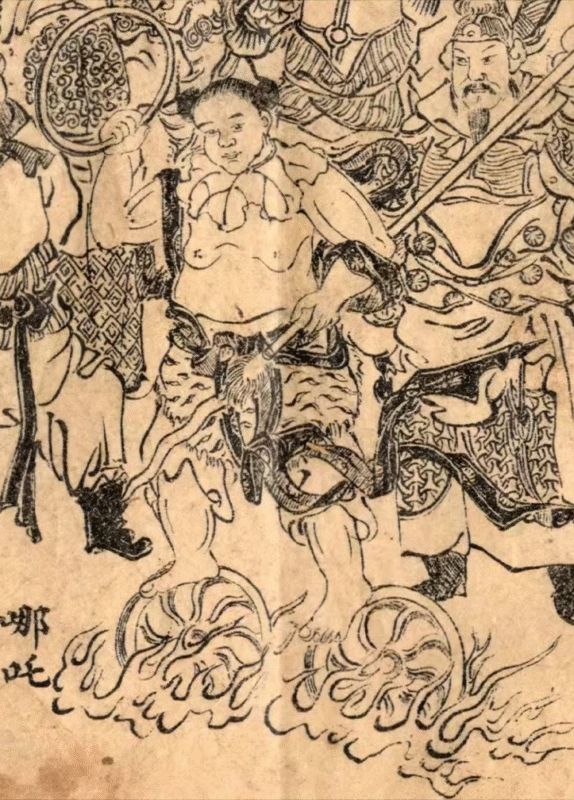
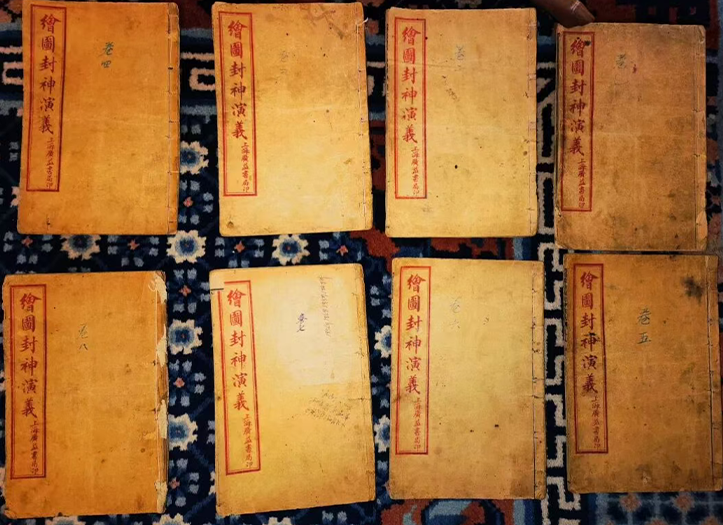
Two great literary works from the mid-Ming Dynasty—*Investiture of the Gods* and *Journey to the West*—depicted the origins, image, and magic of Nezha.
The power, military achievements, and final destiny are all fully realized, and the novel presents the characteristics of the unity of Buddhism and Taoism. The novel "Investiture of the Gods" deserves much credit for this.
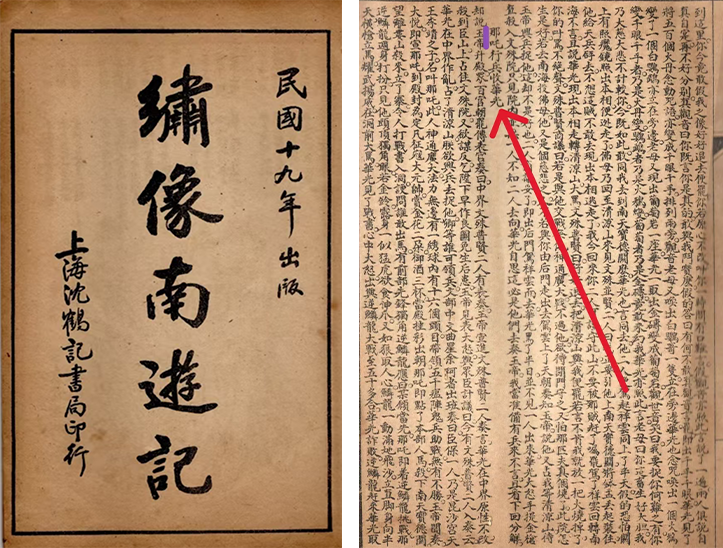
A Ming Dynasty book, *Journey to the South*, also contains a description of "Nezha".
Qing Dynasty: By this period, the character of "Nezha" had become deeply ingrained in people's minds, and Qing Dynasty operas often selected a portion of the Nezha story.
It can be written into a book, made into a play, or incorporated into other literary works, such as "Nezha Sea" and "Chen Tang".
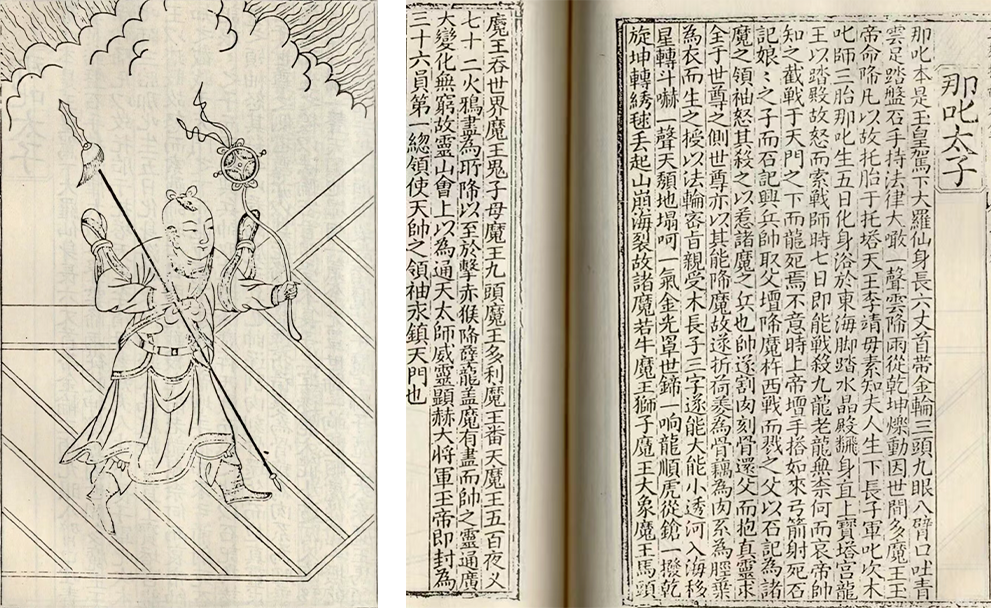
Nezha in "Illustrated Origins of the Three Teachings"
Late Qing Dynasty: *Xiao Fu Mei Xian Hua* (Idle Talks on Little Floating Plum Blossoms): Written by Yu Yue, a renowned scholar of the late Qing Dynasty, it mentions some content related to Nezha and believes...
The fireball of Master Cheng in "Yijian Zhi" is the basic prototype of Nezha's Wind and Fire Wheels.
Embroidered portrait paintings from the late Qing Dynasty and the Republic of China period
With the advancement of printing technology, a form of book illustration—"picture illustration"—quickly entered the public eye. Picture illustrations usually use line drawing techniques, mainly outlining with lines. The thickness, density, weight, and speed of the lines are used to express the figure, spirit, clothing texture, and object shape. It does not focus on color rendering, but pursues a simple, bright artistic effect, which is very good at highlighting the characteristics and temperament of the figure.