
A Thousand Years of Spiritual Roots: The Birth of an Eastern Hero and a Journey to the Future
The birthplace, development, and continuation of the legend and belief of Nezha, the Third Prince.
The Nezha belief is a unique belief among the people of Jiangyou, permeating the folk customs and religions (Taoism) of Jiangyou. It has formed unique folk customs related to the Nezha belief and a regional branch of Taoism with the Nezha belief as its main feature.
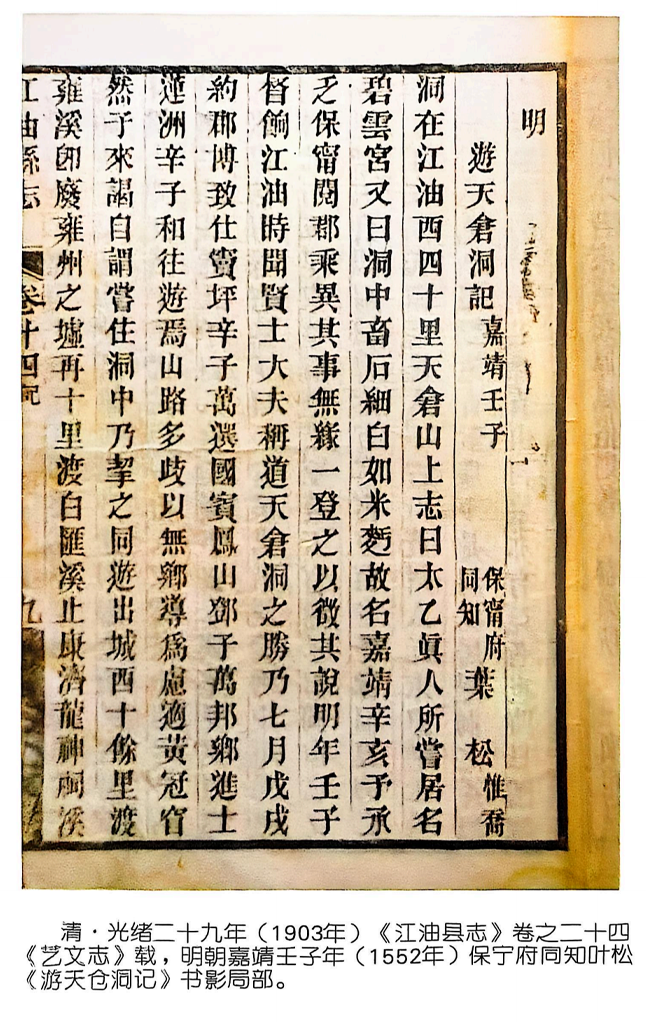
The earliest record of Nezha appears in Buddhist scriptures, where he is described as a guardian deity, the third son of Vaishravana, who serves the Heavenly King and carries the pagoda in place of his father. Later, in Taoist texts, he is depicted as the Marshal of the Central Army, commanding divine soldiers and generals, and also a guardian deity in Taoism. His story, aside from its mention in *Journey to the West*, primarily appears in the novel *Investiture of the Gods*. Although this mythological novel was written in the Ming Dynasty, the stories of *Journey to the West* and *Investiture of the Gods* had already been circulating. While Nezha's image appears in *Journey to the West*, the systematic and complete story of Nezha appears in *Investiture of the Gods*. Literary historians and academics agree that *Investiture of the Gods* is based on the Song and Yuan dynasty historical narrative *The Tale of King Wu's Conquest of Zhou*, incorporating various sources and adding the author's fictional interpretations. The legends and stories about Nezha, such as "Nezha's Battle of the Sea," are also generally considered to be derived from folk tales. But few people know that these folk tales and stories about Nezha actually originated in Jiangyou, Sichuan.
The stories of Nezha's havoc in the sea, the removal of his flesh and bones, his lotus transformation, and Taiyi Zhenren's subjugation of Shiji have been passed down through generations in Jiangyou. The area is rich with place names and relics that corroborate these legends and tales. These include not only Chentang Pass, Cuiping Mountain, and Qianyuan Mountain's Jinguang Cave, but also the Jiuwan River and Hongling Ferry ruins where Nezha stormed the sea, the strange rock resembling a fire-burnt stone that Shiji Niangniang revealed after being subdued by Taiyi Zhenren, Li Jingwang's horse-tethering post in front of the Nezha Temple on Cuiping Mountain, and Taiyi Zhenren's alchemy and alchemy pool in Jinguang Cave. For the people of Jiangyou, the stories and legends of Nezha and Taiyi Zhenren have been passed down from generation to generation. Whenever people vividly recount these legendary tales, they often point to the corresponding place names and those lifelike relics, describing them with such realism and vivid detail. Therefore, they would all believe without a doubt that this beautiful and spiritually rich land, which once nurtured the great Tang Dynasty poet Li Bai, is also the source of these magical legends and stories.
【Origin: The Crossroads of Civilizations】
Amidst the camel bells of the Silk Road, a name quietly took root in the soil of Chinese civilization as Buddhism spread eastward. Nazha – a guardian deity originating from Sanskrit scriptures – miraculously merged with the Taoist immortals and Confucian ethics of China, undergoing thousands of years of refinement, and finally sublimated into the Nezha we know today.
His story is a microcosmic epic of cultural exchange and mutual learning. From the solemn grandeur of the Dunhuang murals to the epic grandeur of *Investiture of the Gods*, this figure has been continuously enriched and transformed throughout history, ultimately becoming a unique pearl in the treasure trove of Chinese culture. In every segment of this ever-evolving cultural history lies the spiritual strength most needed by the Chinese people:
The earliest mention of "Dharma protectors" in Buddhist scriptures is found in the Tang Dynasty text "The Ritual of the Northern Vaisravana Heavenly King Accompanying the Army to Protect the Dharma." Nezha is described as "Prince Nezha," wielding a vajra to protect Buddhism and merchant caravans. At that time, Chinese people traveling the Silk Road relied on the belief in "Nezha's protection" to overcome deserts and bandits—this is the original "protective energy" of Nezha culture, protecting "peace and survival."
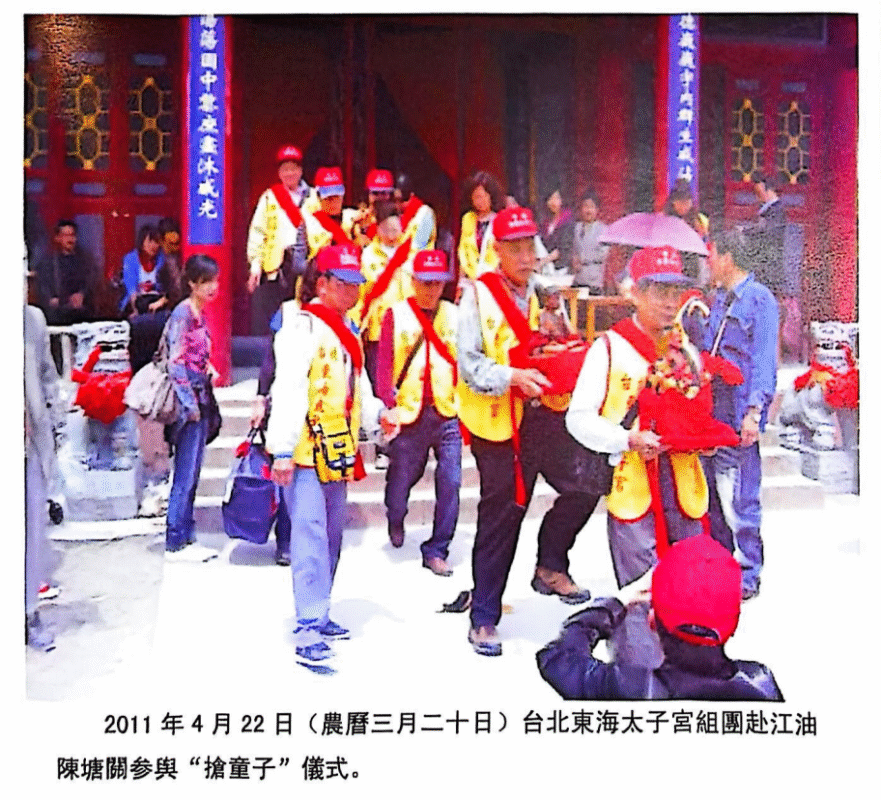
In Taoism, Nezha was incorporated into the Taoist system during the Song and Yuan dynasties, becoming a marshal who "commanded the five battalions of divine soldiers." People would worship Nezha when facing plagues, praying for children, or hoping for a bountiful harvest—there's a folk custom of "Nezha's Plague" in Jiangnan, a ritual of "snatching children" in Taiwan, and a legend of "rain responding instantly" in Jiangyou. At this time, Nezha transformed from a "guardian deity" into a "god close to the people," embodying "the Chinese people's yearning for a better life."
The "Hero Who Changes Fate" in Literature: In *Investiture of the Gods*, Nezha's story truly comes alive – "returning his bones to his father" represents refusing to be "bound by fate," "rebirth from the lotus" represents "letting go of the past and starting anew," and "aiding Zhou in its conquest of Shang" represents "the responsibility of protecting all living beings." At this point, Nezha is no longer a lofty god, but like every ordinary person: he experiences confusion and makes mistakes, but he dares to rebel and break through – this is the core spirit of "changing fate, courage, and strength," and why people today can still find resonance in Nezha's story: the "bottlenecks" you encounter, Nezha has already overcome; the "courage" you desire, Nezha has always possessed.
[Core Theme: The Eternal Question of Growth]
Nezha's charm goes far beyond his supernatural powers. What truly touches people's hearts is the complete life journey he presents:
From childlike innocence to self-awakening – that child playing in the Jiuwan River, understanding the world in the most authentic way. His "stirring up the sea" was an instinctive resistance to injustice, the first glimmer of independent consciousness.
From resolute rebellion to taking responsibility – the resolute act of “returning one’s bones to one’s father” is not the end of rebellion, but a turning point in growth. This seemingly extreme choice is actually a profound examination of ”what is the self”.
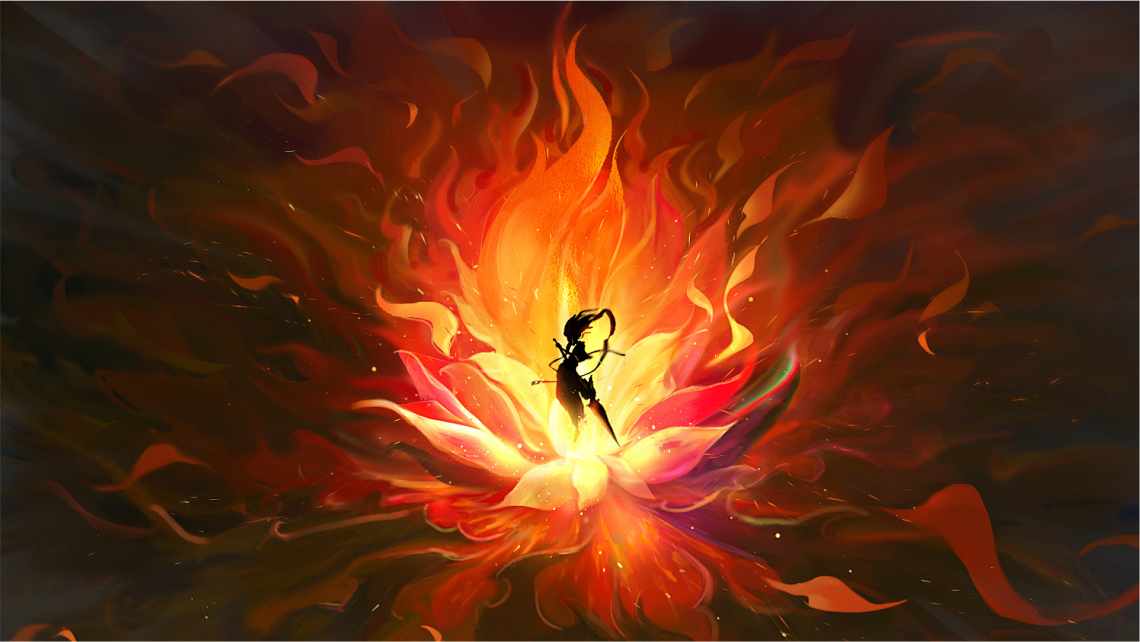
From individual breakthrough to spiritual sublimation – the significance of the lotus incarnation transcends simple resurrection. It symbolizes spiritual purification after enduring hardship, a spiritual leap from the ego to the Tao, and the best interpretation of "living towards death" in the wisdom of the Abhidharma.
[Inheritance: The Flame Across the Strait]
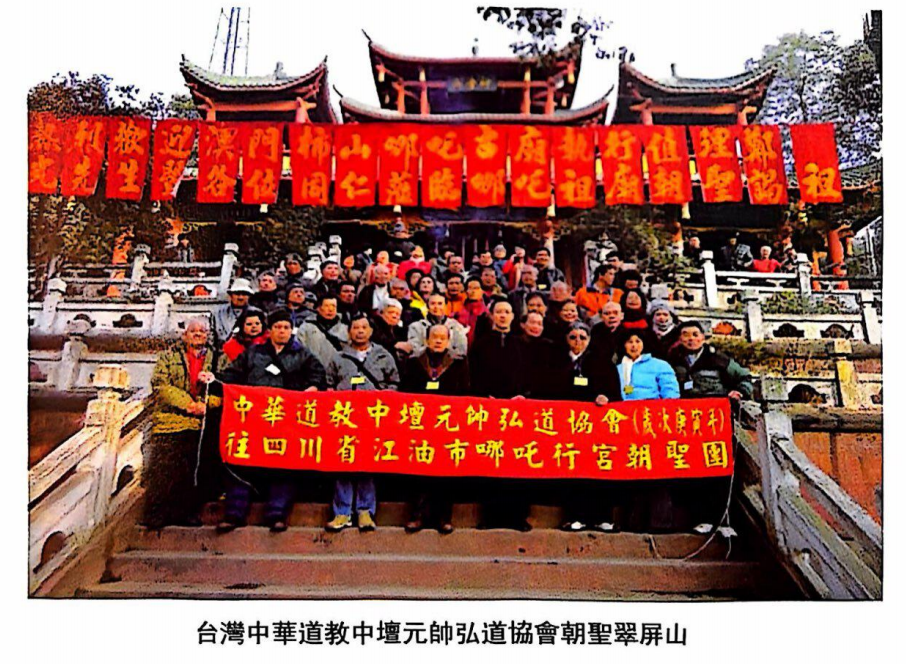
During the Ming-Qing transition, when the early inhabitants of southern Fujian crossed the Taiwan Strait, they respectfully invited Nezha, the Third Prince, to board their ships. This was not merely a migration of faith, but also an extension of the roots of their culture. On the island of Taiwan, the Nezha faith has demonstrated remarkable vitality: as the "Marshal of the Central Altar," he commands five battalions of divine soldiers, protecting the villages and communities. Due to his childlike image, he is revered as a guardian deity protecting the health of young children, and through the legend of "Making Havoc at Sea," he has become a protector of fishermen at sea.
What is particularly noteworthy is that Taiwan has created a unique cultural expression called "Electronic Nezha" – which innovatively combines traditional palanquin culture with modern electronic music and street dance, demonstrating the inclusiveness and evolutionary power of Nezha culture itself.
A Dialogue Across Time and Space
Why do we still need to revisit Nezha's story a thousand years after his birth?
Because everyone can find resonance in Nezha at different stages of their lives:
When faced with unreasonable rules, we need his courage to say "my fate is in my own hands".
When faced with major setbacks, we need his "lotus incarnation" resilience.
In pursuing the value of life, we need his sense of responsibility to "protect all living beings".
The essence of Nezha, the Third Prince, is actually about the eternal question of how each individual can understand themselves, break through limitations, and ultimately realize the value of life. This is the fundamental reason why Nezha culture can cross the strait and reach the world – it explores the life issues that humanity faces together.
It shows us that true cultural inheritance is not simply about replicating the past, but about giving new life to ancient wisdom in the contemporary era.
Our exploration of the origins of Nezha culture is not only about tracing the past, but also about seeking the spiritual sparks that can illuminate the future. Within the story of this thousand-year-old hero lies the wisdom and strength to face the present and create the future.