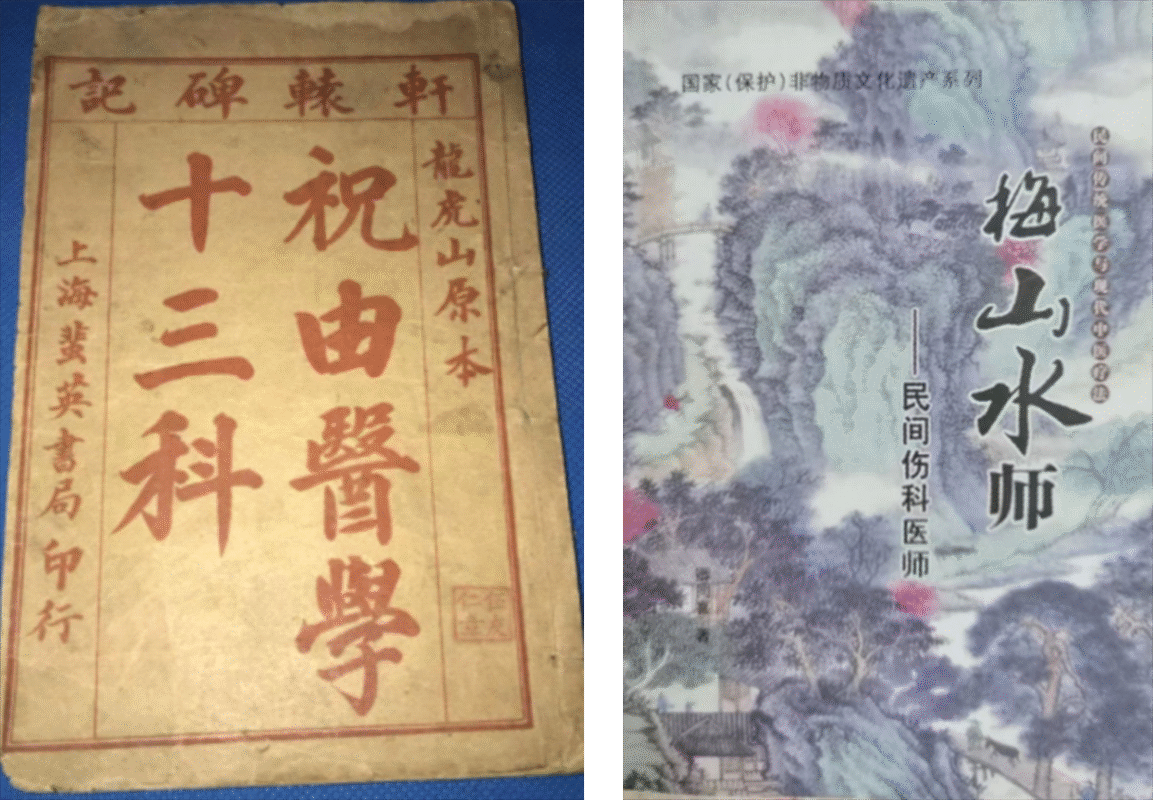
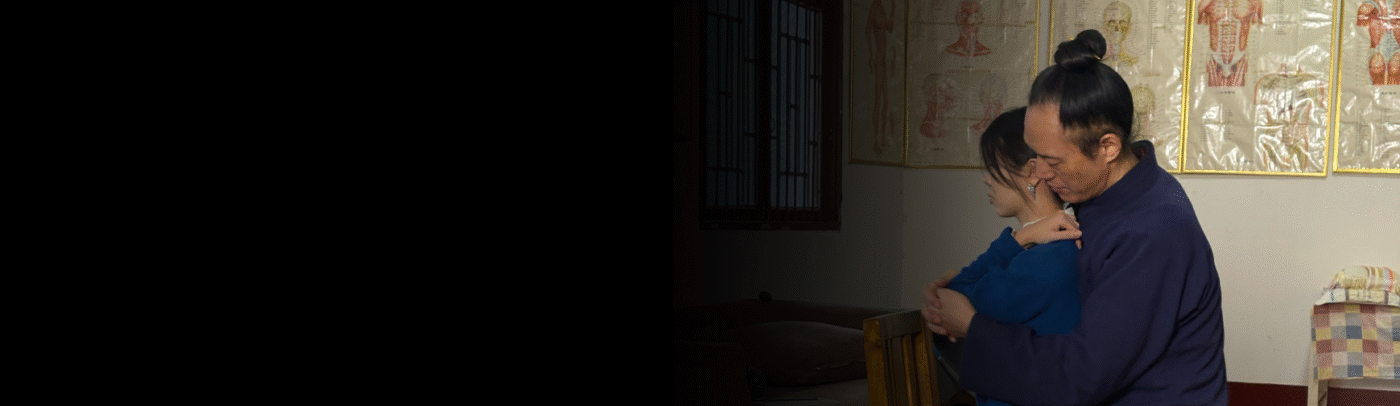

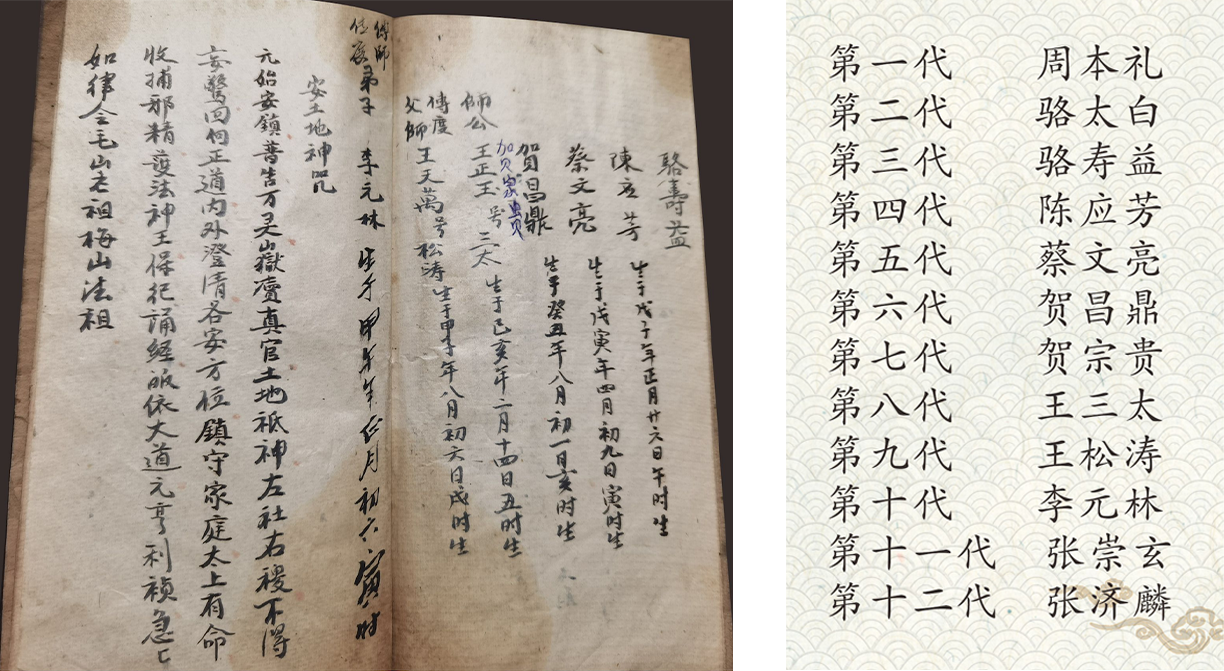
[Technology Type]
 It's basically a dry massage technique. (Simple and easy to learn)
 Due to limitations in the gender, body type, physical ability, and age of the researchers, it presents a certain level of difficulty.
 Taoist bone-setting techniques require a high level of physical fitness, strength, martial arts skills, and intuition from the practitioner. (They are the most difficult to replicate.)
[Safety and Efficacy]- In nearly 30 years of research and application of manual bone setting techniques, there has not been a single safety incident.

1. This technique places particular emphasis on anatomical foundations.
2. The five diagnostic methods of observation, auscultation, palpation, inquiry, and electronic diagnosis are combined to clearly understand the three-dimensional state of the misaligned bone, and to oppose reliance on a single personal feeling.
3. Conduct thorough risk assessments and avoid treating diseases you are not familiar with.
4. The treatment process emphasizes fixed point, location, and orientation, and the techniques require stability, accuracy, skill, and small-amplitude, short-range force.
1. The diagnostic accuracy rate can reach over 80%.
2. The efficacy and cure rate can reach over 80% (different treatments may be required due to individual differences).
【Technical Features of Taoist Bone Setting】
 A different pathological system from traditional Chinese medicine and Western medicine
 Knowing whether the patient has the disease without them saying a word
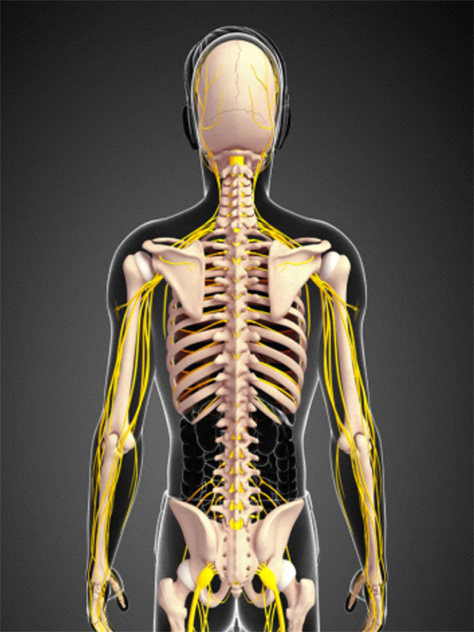
 Atlanto-occipital joint reduction / pelvic reduction / limb joint correction

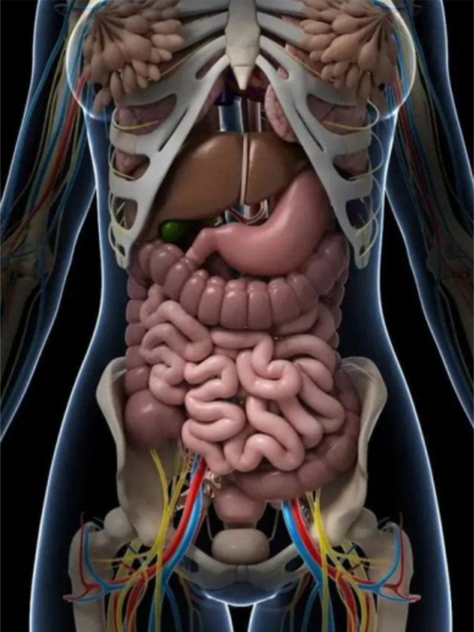


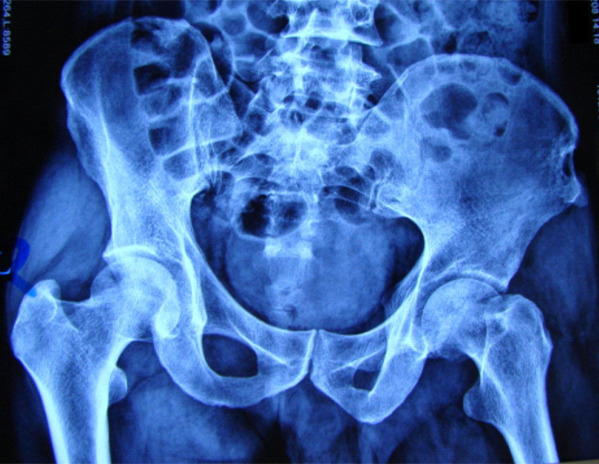

- Maternal pelvic misalignment leads to congenital deviation
- Falls and injuries can lead to various forms of dislocation.
- Long-term poor posture leads to habitual tilting.
- Poor postpartum recovery

- Menstrual cramps (abdominal pain, headache, lumbosacral pain)
- Menstrual irregularities (delayed, rapid, sudden onset, heavy bleeding, spotting, scanty flow)
- Frequent urination, urinary incontinence, etc.
- Phimosis, hernia, spermatic cord obstruction, prostatitis, etc.
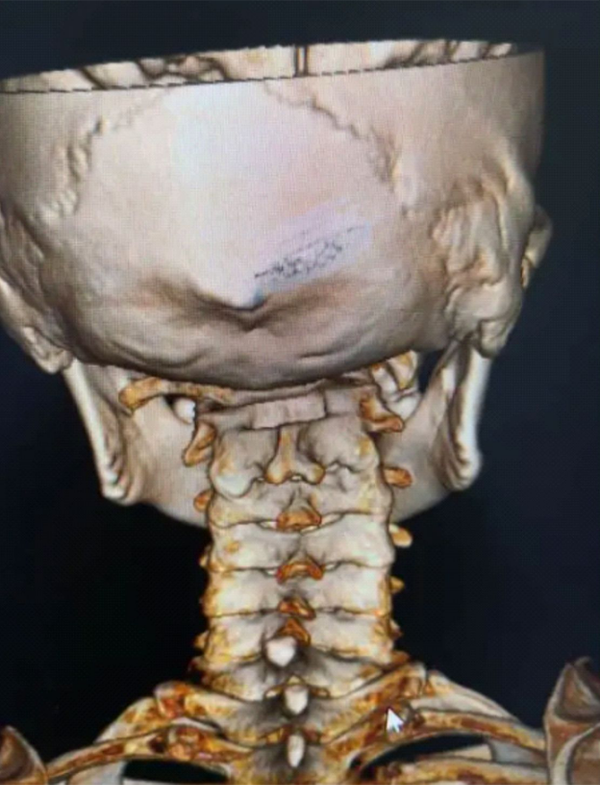
Difficult childbirth, head injury, violent impact,
Whiplash injury, poor sleeping posture

X-ray, CT, MRI, spiral CT, DVT
Headaches, sleep disorders, abnormal blood pressure, eye diseases (dryness, tearing, nearsightedness, etc.), nasal diseases, toothaches, facial paralysis, ear diseases, ptosis, melasma, etc.
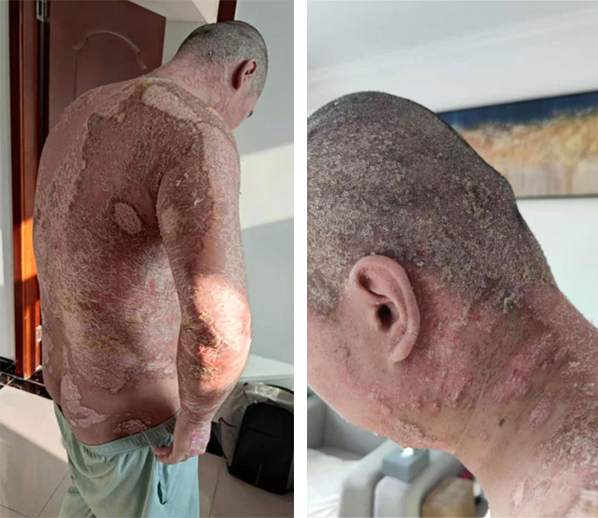
Atlanto-occipital joint dislocation
 Ankylosing spondylitis
 12 years
 Correction of atlanto-occipital joint, spine,
The pelvis and limb joints fully recovered after 3 months of treatment.